Commercial and residential doors may serve the same basic purpose, but their designs support very different environments. Business entrances often handle heavier traffic and more frequent operation than doors in homes.
In comparison, residential doors usually prioritize curb appeal, comfort, and everyday convenience for homeowners. Understanding the differences between commercial and residential doors helps property owners choose an option that matches their building’s demands.
1. Commercial Doors Handle Frequent Use
Commercial doors often open and close hundreds of times during a busy business day. Manufacturers design these doors to withstand frequent operation while maintaining dependable performance.
Offices and other businesses need entrances that support employees, customers, and deliveries. Residential doors generally experience less traffic, so they do not always require the same heavy-duty construction.
2. Materials Often Differ
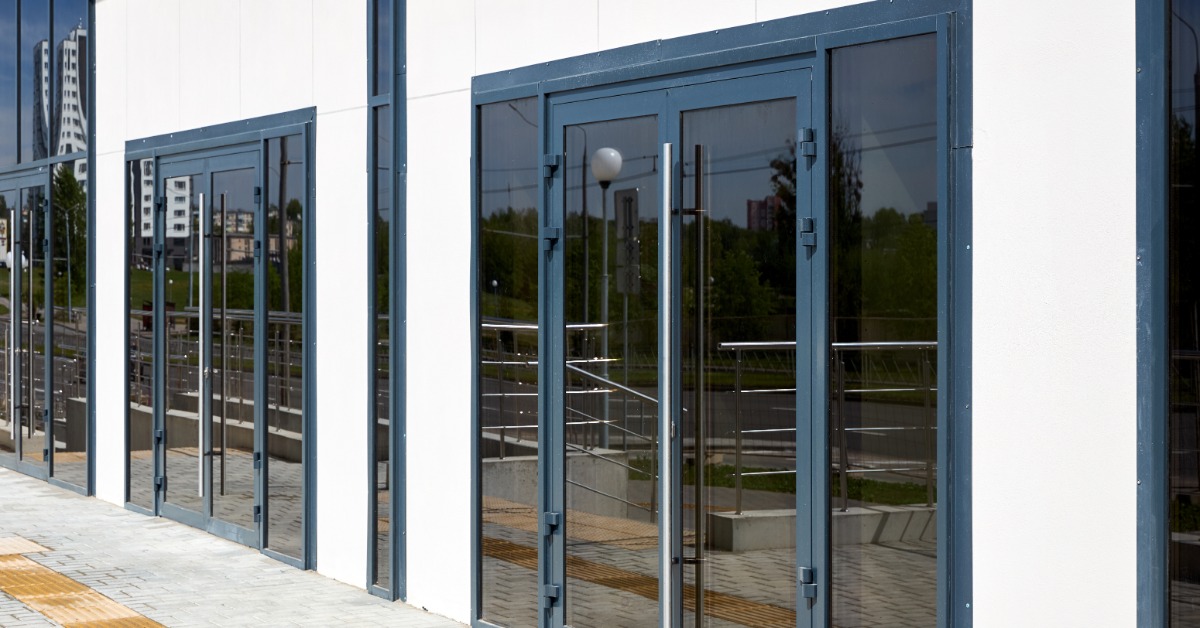
Manufacturers commonly construct commercial doors from steel, aluminum, glass, or other durable materials. These options can withstand demanding environments while supporting a business’s appearance and function.
Residential doors come in materials such as glass and wood. Homeowners often place greater emphasis on materials that complement their property’s architecture and character.
3. Security Needs Can Vary
Businesses often need doors that protect merchandise, equipment, employees, and other valuable assets. Strong frames and reliable locking systems can help support those security goals. Some facilities also need access-control features that restrict entry to authorized individuals. Homes require reliable security too, but residential systems typically accommodate fewer regular users.
4. Commercial Doors Support Accessibility
Many businesses must consider accessibility when planning entrances for employees, visitors, and customers. Automatic operators and properly configured entry systems can make buildings easier for people to enter and exit.
Commercial property owners should consider applicable accessibility requirements when choosing doors and hardware. Residential properties typically have different considerations based on household needs and the home’s layout.
5. Hardware Matches the Environment
Commercial and residential doors also rely on different types of hardware. A busy business entrance needs components that can handle repeated operation throughout the day. Common commercial door components may include:
- Heavy-duty hinges
- Door closers
- Panic or exit hardware
- Automatic operators
- Commercial-grade locks
Choosing suitable hardware supports dependable operation and helps the entire door system perform as intended. Residential doors usually use hardware designed around household traffic, security, convenience, and appearance.
6. Maintenance Needs Depend on Usage
High-traffic business doors can wear out faster because customers and employees use them throughout the day. Routine inspections can identify worn hardware, alignment problems, and other issues before they interfere with normal operations.
A professional commercial door service can also address repair or replacement needs when problems develop. Residential doors still require maintenance, but their service needs often reflect lighter daily use.
Choose a Door Designed for the Property
The biggest difference between commercial and residential doors comes down to how and where people use them. Commercial systems emphasize durability, frequent operation, accessibility, and business-specific requirements, while residential doors balance convenience and appearance.
Looking for assistance for your commercial doors? At Same Day Door Service, we provide commercial entry door installation and repair services to keep your business running efficiently. Don’t treat your commercial door like a residential one; contact Same Day Door Service to discuss repair or replacement options that fit your property and daily needs.