Choosing whether automatic or manual doors are best for your business affects daily operations, safety, and the customer experience. Business owners often weigh convenience against cost when making this decision.
Each option serves different needs depending on traffic, accessibility, and building type. Understanding these differences helps you invest in the right solution for long-term performance.
How Automatic Doors Work
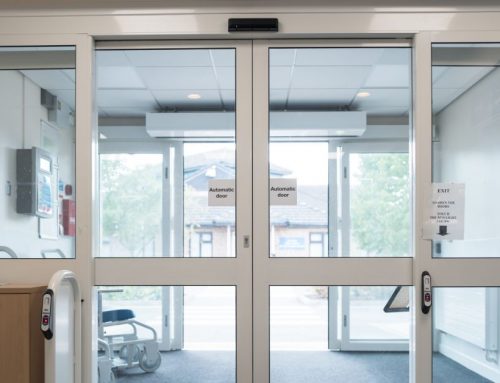
Automatic doors rely on sensors, motors, and control systems to open and close without physical contact. Motion detectors or push plates trigger the system when someone approaches the entrance. The door then moves smoothly along tracks or hinges using a powered mechanism. This setup reduces effort for users and creates a seamless entry experience.
How Manual Doors Function
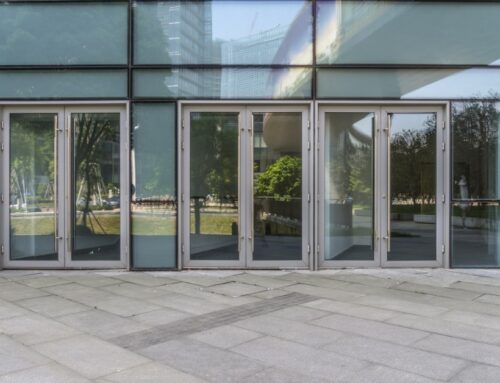
Manual doors operate through direct physical interaction, such as pushing or pulling a handle. Hinges or pivots support the movement and allow the door to swing open and closed. This simple design requires no electrical components or automation systems. Many businesses still rely on manual doors for their durability and lower upfront cost.
Accessibility and Compliance Considerations
Automatic doors improve accessibility for individuals with mobility challenges, parents with strollers, and customers carrying heavy items. Many commercial buildings must meet ADA compliance standards, and automatic doors support those requirements.
Manual doors can still meet compliance requirements, but they often require additional hardware, such as push bars or wider openings. Businesses that prioritize inclusivity often choose automatic systems to create a welcoming environment.
Security and Safety Features
Automatic doors include safety sensors that prevent the door from closing on people or objects. Many systems integrate with security controls to restrict access during certain hours. Manual doors rely on locks, closers, and user behavior to maintain security. Businesses with high traffic often benefit from the added safety features of automated systems.
Ideal Use Cases for Each Option
Different industries benefit from different door types depending on daily operations and customer flow. Automatic doors work well in environments with constant traffic or accessibility needs. Manual doors suit locations with lower traffic or tighter budgets. Choosing the right option depends on how the space functions throughout the day.
- Retail stores with high foot traffic → automatic doors
- Medical facilities and clinics → automatic doors
- Small offices or storage areas → manual doors
Maintenance and Long-Term Value
Automatic doors require routine inspections to keep sensors and motors working efficiently. Regular service helps prevent downtime and extend the system’s lifespan. Manual doors need occasional hinge adjustments and hardware checks, but demand less ongoing attention. Businesses that invest in professional entry door service ensure both door types perform reliably over time.
Making the Right Choice for Your Business
Every business must balance cost, convenience, and customer experience when choosing between automatic and manual doors. Evaluating your building’s needs will guide you toward the best long-term investment.
Regardless of what door you choose, Same Day Door Service can help you maintain your commercial doors. From installations to repairs, we work quickly to keep your business running smoothly. Contact us today to schedule an appointment.