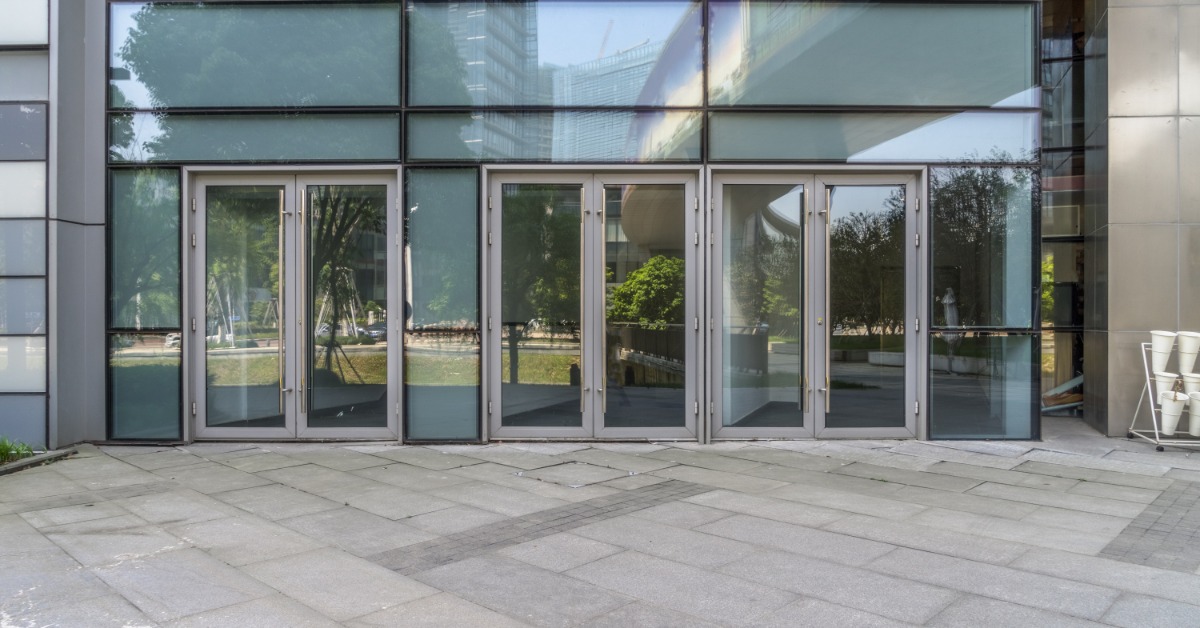
Commercial glass plays a critical role in the safety, appearance, and functionality of business entryways. Property owners often underestimate the variables that influence replacement costs.
Factoring the cost of commercial glass for door repairs requires attention to materials, labor, and code compliance. A clear understanding of these elements helps businesses plan repairs without disrupting operations.
Types of Commercial Glass and Their Price Differences
Different glass types significantly affect total repair costs. Tempered glass costs more than standard annealed glass because manufacturers strengthen it for safety and durability. Laminated glass consists of multiple layers that enhance impact resistance and security. Insulated glass units also command higher prices due to their energy-efficiency benefits.
Each type serves a different purpose depending on the building’s needs. Retail storefronts often require safety glazing that meets strict building codes. Office buildings may prioritize sound control and insulation. Selecting the right glass affects both upfront costs and long-term value.
Size and Thickness Considerations
Glass size directly affects material pricing. Larger panels require more raw materials and specialized handling during installation. Thicker glass also increases cost because it provides enhanced strength and structural integrity. Custom sizing further raises expenses when standard dimensions do not fit the opening.
Precision measurements remain essential before ordering replacement glass; inaccurate sizes delay repairs. Professional assessment prevents unnecessary waste and repeated fabrication. Accurate planning protects both the budget and the timeline.
Impact of Safety and Building Code Requirements
Local building codes determine the types of glass permitted in commercial properties. Safety glazing standards often require tempered or laminated glass in entry doors. Fire-rated doors demand specialty glass designed to withstand high temperatures. These regulatory requirements affect overall repair costs.
Code-compliant glass protects occupants and reduces risk exposure. Property managers should confirm requirements before approving repairs. Proper compliance prevents costly corrections later.
Hardware and Frame Condition
Glass repairs often reveal issues with surrounding components. Damaged door frames or worn hardware may require replacement, along with the glass panel. Hinges, closers, and panic hardware can also suffer damage.
Ignoring frame issues leads to recurring problems. Secure framing supports the new glass and ensures smooth door operation. Addressing hardware concerns during repair prevents future service calls. Comprehensive evaluation protects the overall investment.
Budgeting for Commercial Glass Door Repairs
Businesses should treat glass repair as both a safety and operational priority. Delayed repairs can expose properties to liability risks and energy loss. Establishing a maintenance reserve helps manage unexpected expenses. Preventive inspections often reduce the frequency of emergency repairs.
Routine door evaluations identify small issues before they escalate. Proactive service extends the lifespan of entry systems. Commercial properties benefit from consistent upkeep and professional guidance. Strategic budgeting protects both property value and daily operations.
Choosing the Right Service Partner
When you understand how to factor the cost of commercial glass for door repairs, you need to select a qualified service provider. Experienced technicians understand local codes and commercial door systems.
Same Day Door Service provides dependable commercial door repair and installation solutions to businesses throughout St. Louis and the surrounding area. Locally owned and operated, we focus on quality products and high-value service for commercial properties.
Our team prioritizes fast repairs to minimize operational disruption. Your business can schedule service promptly to restore safety and appearance with confidence.