Garage doors have transformed from simple functional barriers into advanced systems that improve security, efficiency, and curb appeal. Property owners now expect more than basic operation from modern garage doors.
As garage doors have changed over the years, each advancement has played a crucial role. Understanding the history and evolution of garage door designs helps homeowners make informed decisions about repairs and upgrades.
Early Garage Door Designs: Function Over Form
Early garage doors focused strictly on function and durability. Builders used wood planks and basic hinges to create large swinging or sliding doors that were closer to those of carriage houses or barns.
These doors required significant manual effort and offered minimal insulation or security. Homeowners accepted these limitations because vehicle storage remained a new concept at the time.
The Rise of Carriage-Style Doors
Carriage-style doors became popular as automobiles gained traction in the early 20th century. These doors mimicked the look of carriage house entries while maintaining a rustic appearance.
Craftsmen designed them to swing outward, which required ample driveway space. Many homeowners still choose carriage-style doors today for their classic aesthetic and charm.
Introduction of Overhead Garage Doors
Overhead garage doors changed the industry by improving convenience and space efficiency. These doors moved upward along tracks instead of swinging outward. This design allowed homeowners to maximize driveway space and simplify daily use. Manufacturers quickly adopted overhead systems as the standard for residential properties.
The Impact of Steel and Aluminum Materials
Steel and aluminum transformed garage door construction by improving durability and reducing maintenance. Wooden doors required frequent upkeep and showed wear over time. Metal doors resisted weather damage and maintained their appearance longer. Homeowners began to prioritize long-term performance over traditional materials.
Insulation and Energy Efficiency Advancements
Energy efficiency became a key focus as homes evolved and utility costs increased. Insulated garage doors helped regulate interior temperatures and reduce energy loss.
Manufacturers introduced layered designs that improved both strength and thermal performance. These advancements made garage doors an essential part of overall home efficiency.
Modern Automation and Smart Technology
Automation revolutionized how homeowners interact with garage doors. Electric openers replaced manual lifting and added convenience to everyday routines. Smart technology now allows users to control garage doors remotely through mobile devices. These features improve security while giving homeowners greater control over access points.
Key Features Found in Today’s Garage Doors
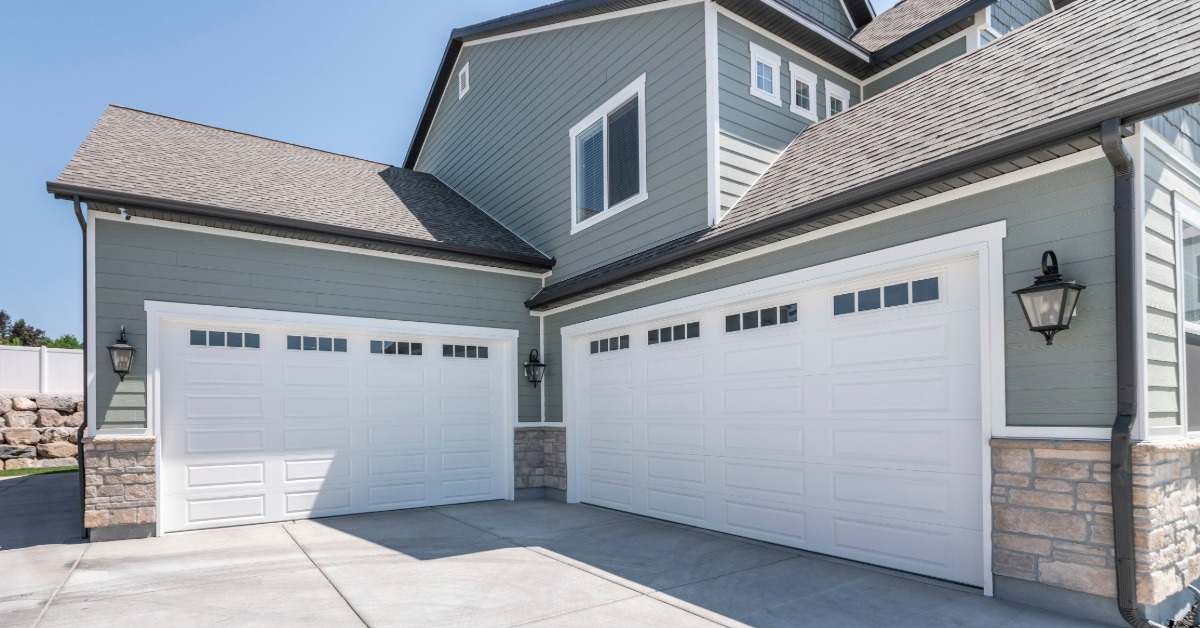
Modern garage doors combine style, performance, and advanced functionality. Homeowners can choose from a wide range of options to match their needs. Popular features include:
- Insulated cores for energy efficiency
- Smart openers with mobile connectivity
- Durable steel or composite materials
- Custom finishes and window designs
- Enhanced safety sensors and locking systems
These features help homeowners achieve both aesthetic and practical goals with one upgrade.
What the Evolution Means for Homeowners Today
The evolution of garage door design gives homeowners more control, efficiency, and reliability than ever before. Modern systems operate smoothly while requiring minimal maintenance. Advanced materials and technology provide long-term value and improved safety.
To keep your garage out of the dark ages, you need the proper residential garage door installation. Same Day Door Service offers reliable, efficient services to keep your garage door working smoothly. Contact us today to request an emergency repair.Top of FormBottom of Form