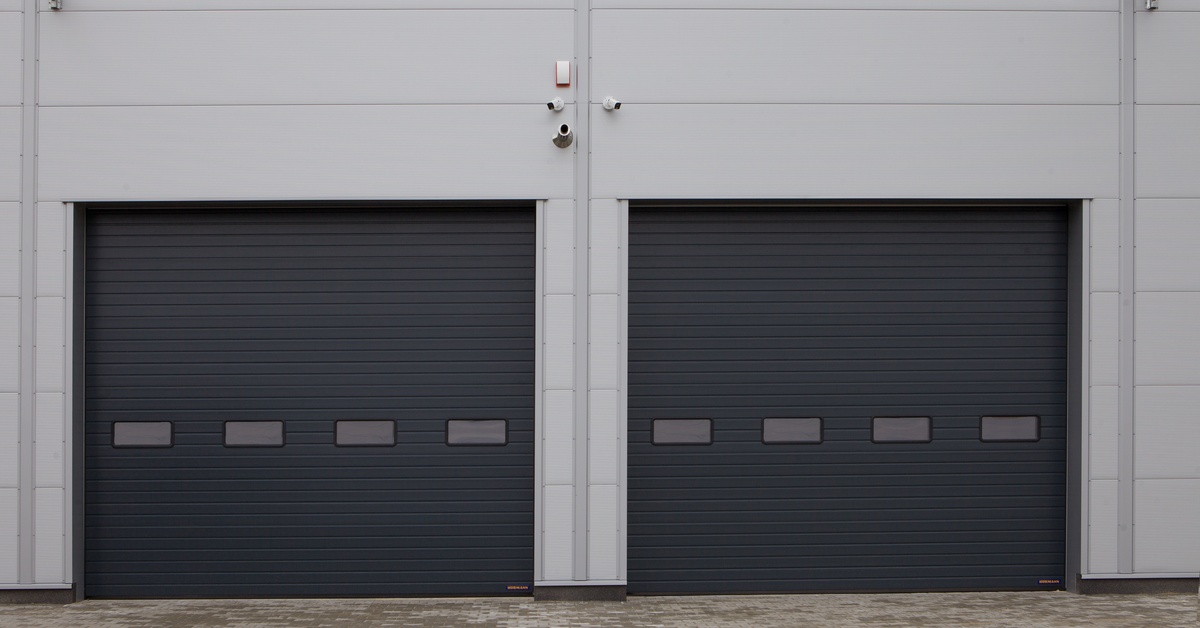
Roll-up doors look simple, but installation requires precision. Small setup errors can trigger loud operation, uneven travel, premature wear, and sudden lockups that disrupt business.
Many issues that later become “bad parts” begin with roll-up door installation mistakes that put stress on other parts of the door. Let’s break down the most common problems and how to avoid them so the door runs smoothly and stays dependable for the long term.
Choosing the Wrong Door
A roll-up door must match the opening size, wind exposure, traffic frequency, and security needs. Inexperienced installers often focus on width and height but ignore clearance, headroom, and the strength of the mounting surface.
A door that technically “fits” can still bind or flex under real-world use if the opening lacks proper structural support or the door rating does not match the environment. When the door specs do not align with the facility’s requirements, the door experiences greater strain with each cycle.
Skipping an Opening Measurement and Pre-Install Inspection
Accurate measurements require more than a tape measure across the opening. The job needs checks for plumb jambs, a level header, and consistent floor conditions.
When installers skip these checks, the guides mount out of square, and the curtain tracks unevenly. That leads to scuffing, noisy travel, and hard stops near the floor. A quick inspection also catches an other issues in the door or equipment.
Installing Guides Out of Plumb or Misaligned
Guide alignment controls the door’s travel path. If the guides lean, twist, or pinch, the curtain rubs, and the bottom bar drags. Misalignment also causes the door to “walk” side to side as it moves, which frays edges and damages windlocks.
Incorrect Tensioning of Springs
Spring tension supports the curtain weight and balances the operation. Too much tension makes the door jump upward, slam into the header, or overrun limits on powered units. Too little tension makes the door heavy, harder to lift, and more likely to free-fall if something slips.
Incorrect tension also forces the barrel, bearings, and operator to work harder than they were designed to. Tensioning must follow manufacturer procedures and match the exact door size and curtain type, not a rough estimate.
Ignoring Operator Setup and Safety Features
A motorized setup needs accurate limit settings, safety edge testing, and proper wiring practices. Mis-set limits can force the door into the floor or drive it past the stop, which damages the bottom bar, curtain, and operator.
Safety devices must function every time, especially in high-traffic areas with carts and forklifts. If photo eyes, sensing edges, or control stations are placed in the wrong locations, the system invites accidents and repeated service calls.
When Professional Service Makes the Difference
Some problems show up immediately, but many roll-up door installation mistakes cause damage slowly. When the door binds, drops too fast, or strains the operator, a trained technician can correct alignment, reset tension, and replace worn components before a failure halts operations.
Same Day Door Service supports businesses around St. Louis with commercial roll-up door installation and repair services that restore smooth operation and reliable security promptly. Contact us today to learn more about our services and keep your business doors running smoothly.